
The Need for Intermodal Flexibility
Global supply chain volatility, port congestion, and fluctuating fuel prices have led modern businesses toward multimodal logistics—combining two or more modes of transport under a unified shipping contract.
Common Multimodal Combinations
-
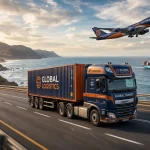
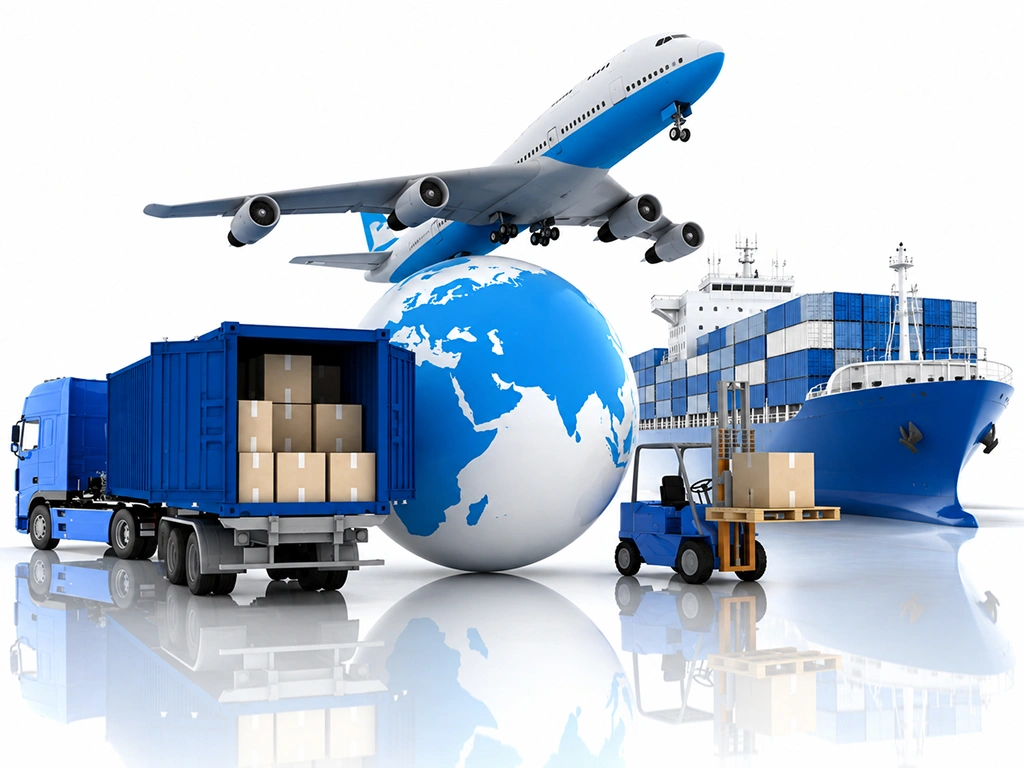
Sea + Air: Ocean transit moves high-volume cargo across initial transoceanic legs to a strategic regional hub, where it transfers to air freight for rapid final delivery. This cuts transit time by up to 50% compared to pure sea freight while remaining significantly cheaper than pure air freight.
-
Air + Road: Priority air cargo connects major international hubs, followed by dedicated long-haul container trucks directly to inland manufacturing zones.
-
Sea + Road: Seamless container drayage from the dock directly to factory premises under a single Bill of Lading.
Key Benefits for Shippers
-
Single-Point Accountability: One logistics forwarder manages documentation, tracking, and carrier handovers across all transit stages.
-
Route Agility: Easily redirect shipments through alternative transit hubs if a specific sea lane or air corridor faces disruptions.
-
Carbon and Budget Optimization: Lower transit carbon footprints and control freight costs without compromising customer commitments.