Choosing the Right Ocean Freight Strategy
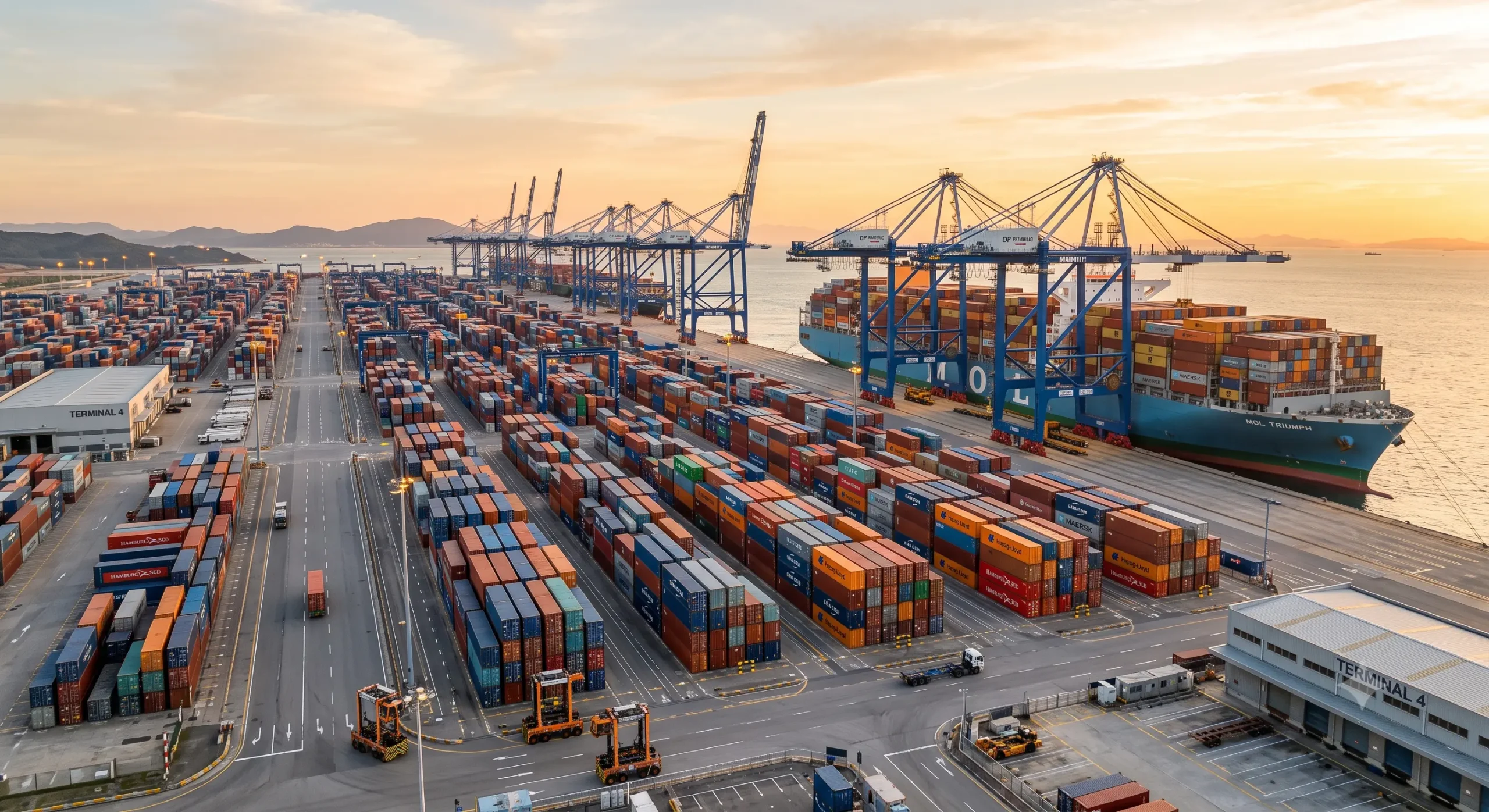
International maritime shipping moves the vast majority of global commercial trade. When planning sea shipments, one of the earliest decisions is choosing between Full Container Load (FCL) and Less than Container Load (LCL).
When to Choose FCL (Full Container Load)
FCL reserves an entire container (standard 20ft, 40ft, or 40ft High Cube) exclusively for your consignment.
-
Higher Volume: Ideal for cargo exceeding 13 to 15 cubic meters (CBM).
-
Faster Transit: Cargo travels directly from the port of loading to the destination port without mid-transit consolidation stops.
-
Reduced Risk: The container is sealed at your origin facility and opened only at the final destination or during customs inspections, minimizing cargo handling.
When to Choose LCL (Less than Container Load)
LCL allows shippers with smaller cargo volumes to share space within a consolidated container.
-
Cost-Efficient: You pay only for the exact volume (CBM) your goods occupy.
-
Inventory Flexibility: Ship smaller, frequent consignments without waiting to accumulate enough cargo for a full container.
-
Scheduled Consolidations: Regular weekly departures keep products moving into global trade channels.
Conclusion
At Universal Freight, we provide both dedicated FCL bookings and scheduled LCL consolidation across major international trade lanes, helping you balance budget with delivery deadlines.